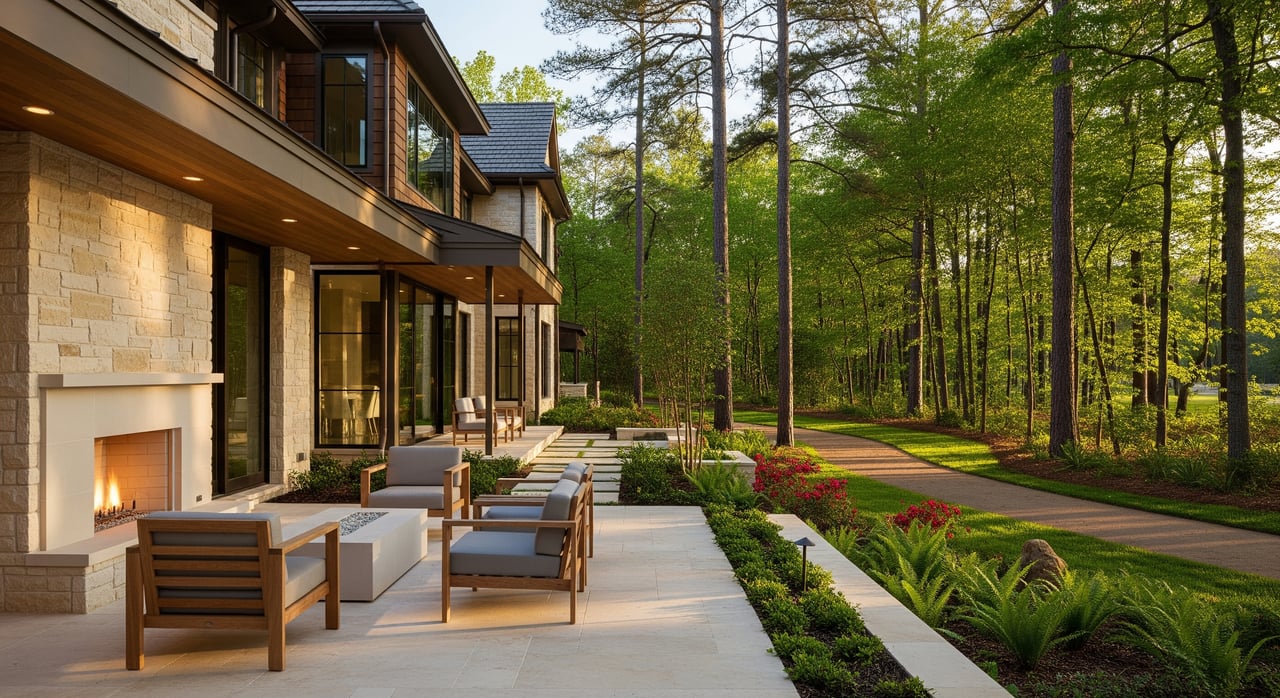
Picture stepping outside your front door and being on a shaded trail in minutes or walking to a nearby park for an evening picnic. If you live in Indian Springs, access to the Flintridge trailhead for the George Mitchell Nature Preserve and village parks like Falconwing and Forestgate is a real part of daily life. If you are buying or selling, that access can also influence demand, marketing power, and negotiations. In this guide, you will learn how parks and trails shape value, what to watch for, and how to use these amenities to your advantage. Let’s dive in.
Why parks and trails matter
Proximity to parks and trails is more than a nice-to-have. Industry studies and buyer surveys point to a consistent pattern: access to quality green space supports stronger neighborhood appeal and can correlate with price and time-on-market advantages. In Indian Springs, that often means quick access to park play areas, picnic space, and off-road trail networks stewarded by The Woodlands Township.
Lifestyle and well-being
Buyers value places to walk, run, bike, or take the dog out. The trails around the George Mitchell Nature Preserve offer exactly that, with natural settings and connected routes. Families appreciate nearby playgrounds and open fields at village parks, and many active adults look for scenic, low-stress exercise options. These lifestyle touchpoints help listings stand out in photos and at showings.
Walkability and connectivity
In The Woodlands, the trail system often links homes to schools, village centers, and other amenities. That means a trail is not only for recreation, it can also be a practical route for daily routines. The utility goes beyond a single park and makes a neighborhood feel useful and connected.
Marketability and emotional pull
Homes near trusted public amenities tend to get more interest. Trail and park access photographs well, gives buyers a reason to visit, and anchors a narrative about everyday convenience. For sellers, that can translate into stronger showing traffic. For buyers, it can justify a more confident offer when the location aligns with lifestyle goals.
What this means for pricing in Indian Springs
Research on home values and green space often shows a positive effect for proximity to parks and trails, but the size of the premium varies by context. The type of park, maintenance level, privacy, distance, and local inventory all matter. In other words, use local data rather than national averages when you price or negotiate.
- In some master-planned suburbs, homes within a short walk of parks or trailheads sell faster or retain stronger list-to-sale ratios.
- Adjacency to a trail can be positive for many buyers, though some prefer a bit of separation for privacy. The specific lot orientation and buffering often make the difference.
- Long-term township stewardship and clear mapping can reinforce buyer confidence that the amenity is real and maintained.
How to measure a proximity premium
If you plan to sell or make an offer, treat this like a small local study. Compare like with like.
- Define your micro-area. Focus on Indian Springs segments that feed the Flintridge trailhead, Falconwing Park, or Forestgate Park.
- Pull recent comps. Look at 6 to 12 months of closed sales with similar size, age, and features. Note days on market and price per square foot.
- Segment by distance. Group homes within a short walk of the parks or trail access versus those farther away. Use realistic walking times or mapped distances from township resources.
- Adjust for differences. Control for upgrades, lot size, and school zoning when possible to avoid overstating the effect of proximity.
- Watch patterns. A consistent difference in days on market or sale-to-list ratio can be as useful as a price delta.
Marketing a trail-adjacent home
If you are selling near Flintridge, Falconwing, or Forestgate, your goal is to turn amenity proximity into clear buyer value without overpromising.
Lead with lifestyle visuals
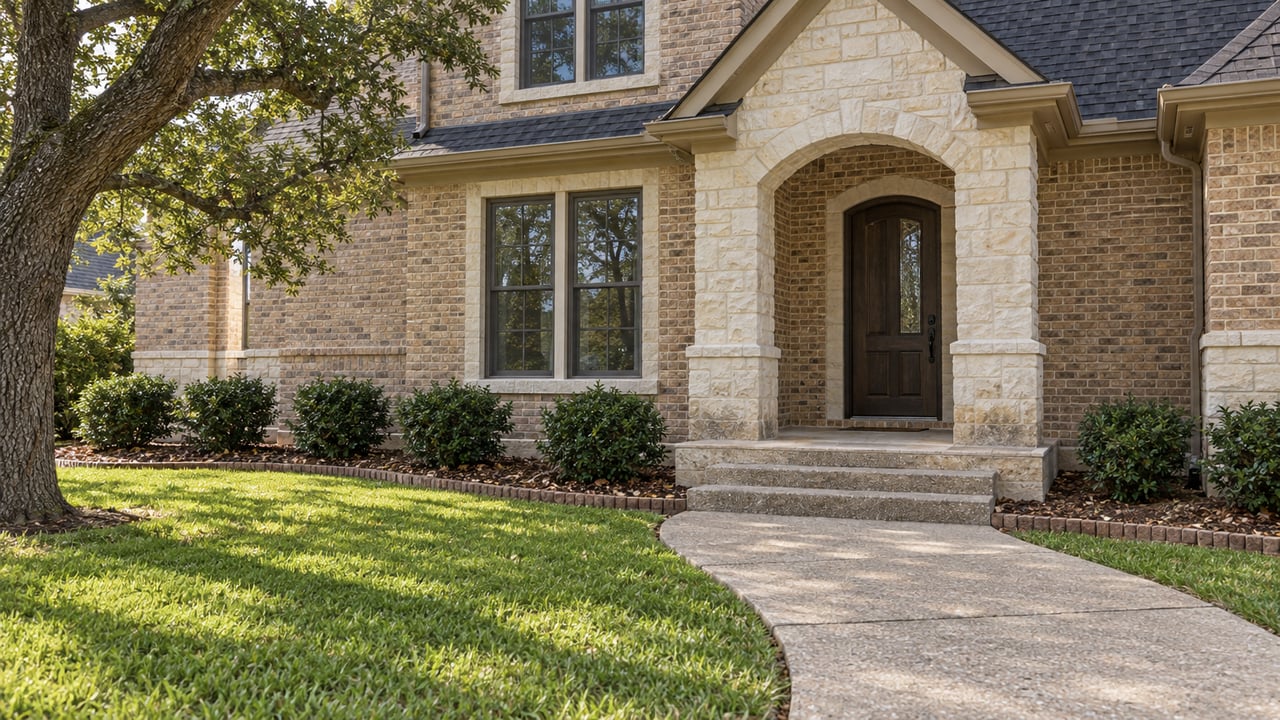
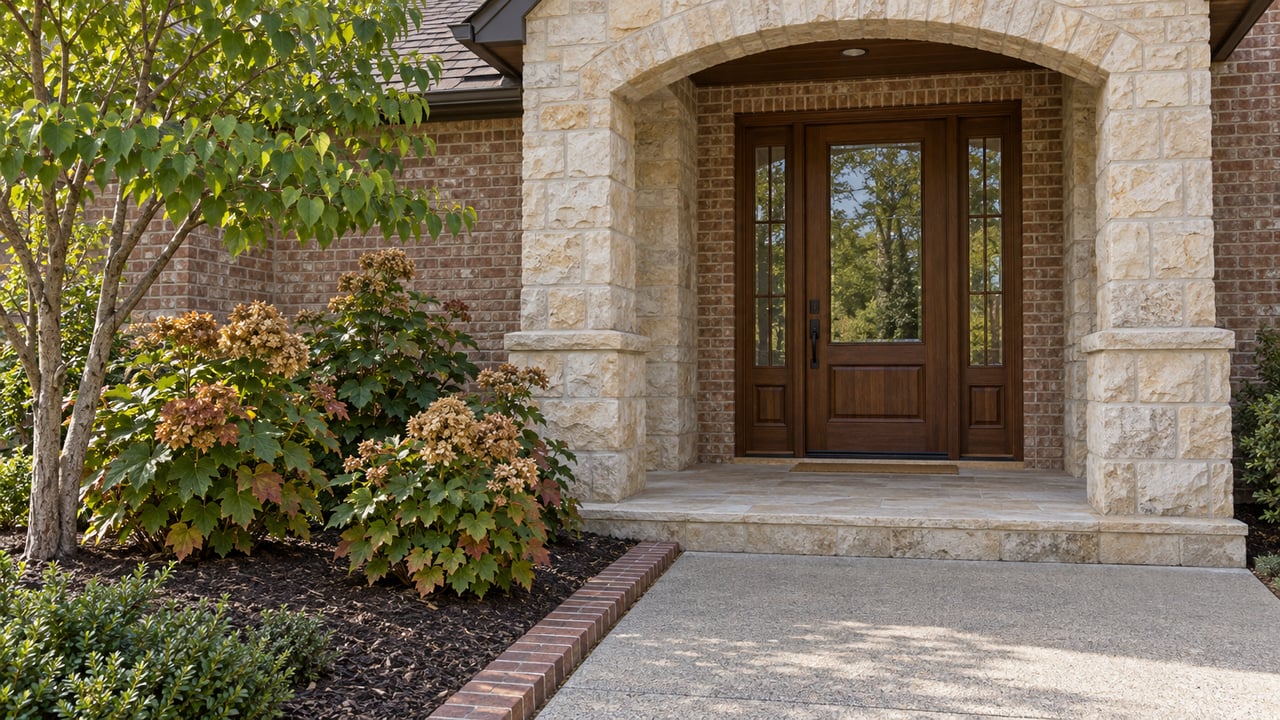
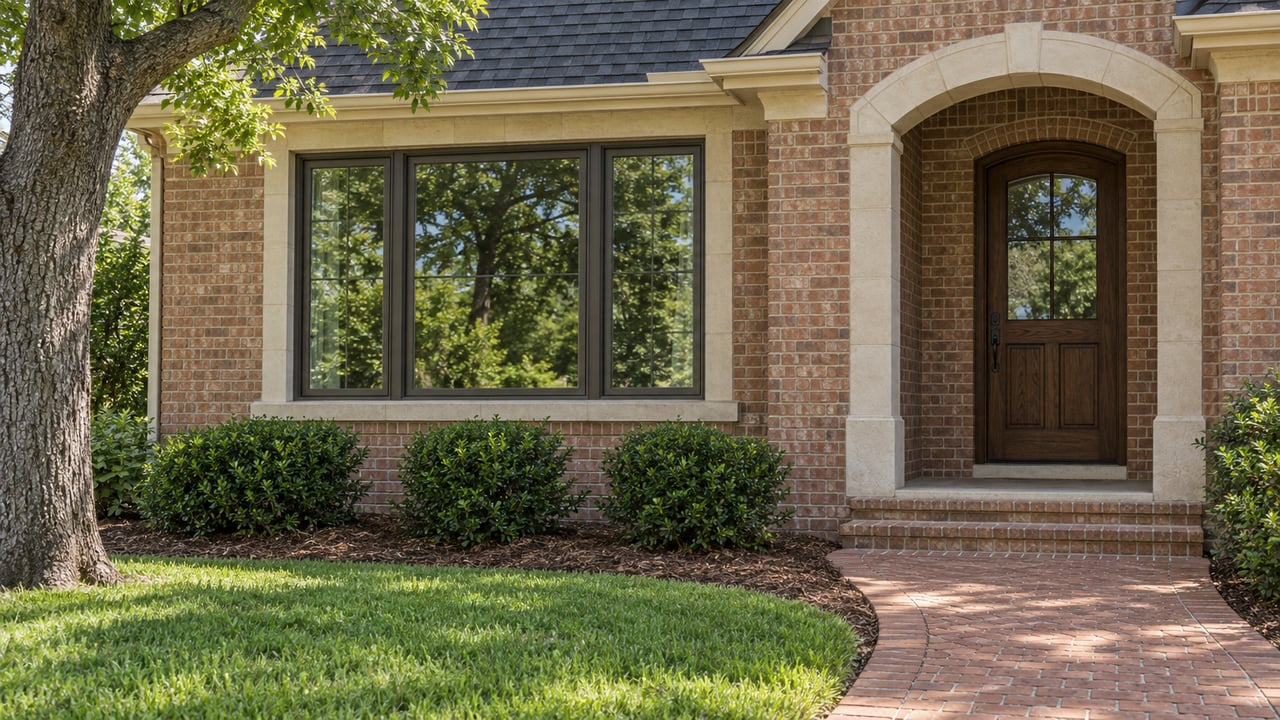
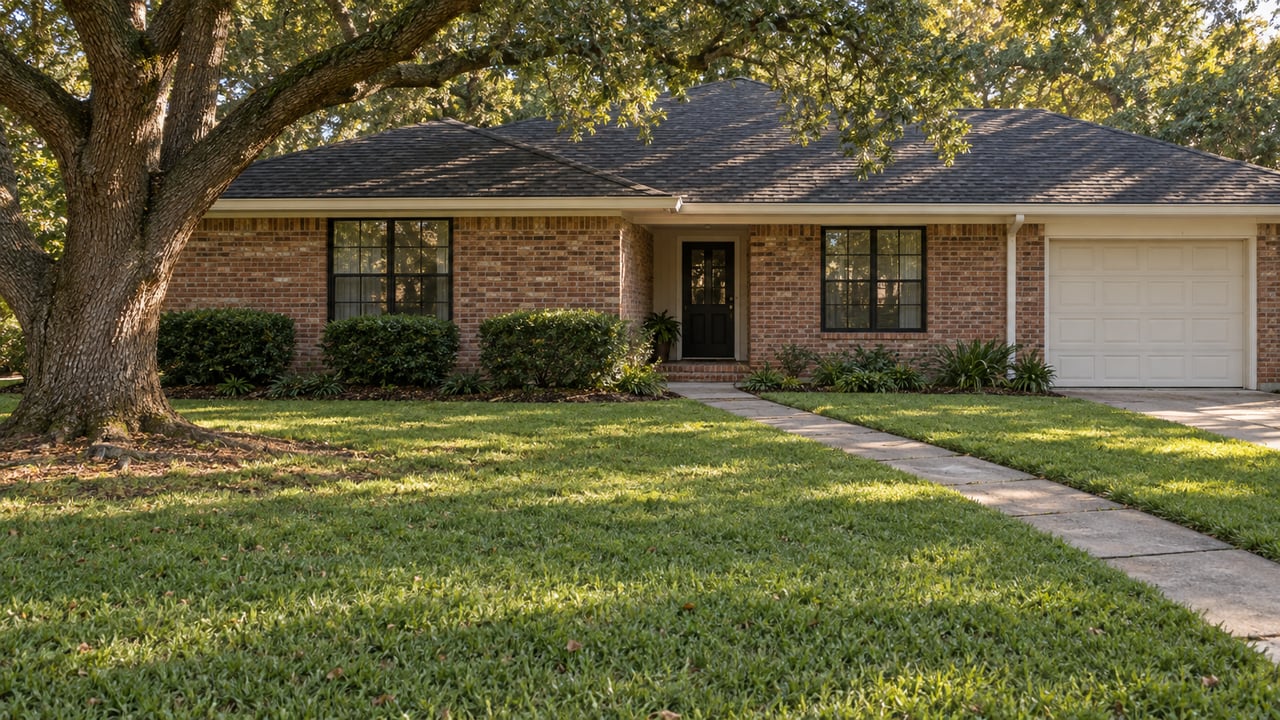
Use professional photography to show the trailhead, park features, and shaded paths. Feature early morning or late afternoon light for warmth and authenticity. Complement with clean, staged interiors so buyers connect the outdoor lifestyle to a move-in-ready home. We recommend featuring two to three lifestyle images in the first set of listing photos.
Quantify access clearly
Replace vague phrases with specifics buyers can trust. Include an estimated walking time or distance to the Flintridge trailhead and nearby parks. Reference township maps for accuracy. In your brochure or online listing, add a simple map marking trail entrances, park parking areas, and the home location.
Tailor the message by audience
- Families: “Short walk to playgrounds and open fields at the village park.”
- Active adults: “Quick access to multi-use trails for daily walks or bike rides.”
- Pet owners: “Easy morning and evening dog walks on shaded paths.”
Keep the language factual and avoid subjective claims about schools. Focus on the verified amenity and what it enables in daily life.
Highlight stewardship and permanence
Mention that The Woodlands Township maintains mapped parks and trails, and reference any published rules or hours. If the preserve or parkland has formal protections or long-standing township ownership, explain that clearly. Avoid absolute claims about future land use unless you can document a conservation easement or legal restriction.
Negotiation plays for sellers
You can use proximity to strengthen your pricing story and handle common objections.
- Present local comps. Show recent sales near the trailhead or village parks with supporting metrics like days on market and sale-to-list ratio. Buyers respond to tangible, local evidence.
- Address privacy and noise. Offer practical solutions such as landscape screening, upgraded fencing, or noting low-traffic trail segments. Be transparent about typical weekend activity at nearby parks.
- Use non-price incentives. Instead of a price cut, consider a small credit for backyard landscaping that enhances privacy or a pre-listing tune-up that addresses exterior wear.
- Prepare for appraisals. Provide your comp set and township maps that confirm amenity locations and access. Clear documentation helps support value.
Buying near Flintridge, Falconwing, or Forestgate
If you are a buyer, the right prep lets you move quickly and confidently when the perfect home hits the market.
- Verify the exact route. Walk or drive the path to the trailhead or parks at different times. Note parking areas, lighting, and any crosswalks.
- Review township maps and rules. Confirm trail entrances, hours, and park features so expectations match reality.
- Check risk overlays. Look up FEMA flood maps and any drainage or utility easements that could impact the lot or insurance.
- Study recent neighborhood sales. See how similar homes near parks and trails performed to calibrate your offer.
- Plan for privacy. If the home backs to a trail, evaluate fence height, tree cover, and sightlines from the trail.
Risks and tradeoffs to consider
Parks and trails are widely viewed as positives, yet every buyer values them differently. Address the tradeoffs up front.
- Privacy and foot traffic. More walkers can mean more line-of-sight into yards. Landscaping and fencing can mitigate this.
- Noise patterns. Playgrounds and trailheads can be busier on weekends and holidays. Visit at multiple times before you decide.
- Safety perceptions. Many well-used trails feel safer due to more “eyes on the street,” but perceptions vary. Review local data and township patrol information if you have concerns.
- Flooding and easements. Some green corridors follow drainageways. Verify with FEMA maps and local records before you commit.
- Maintenance responsibilities. Clarify whether the township or an HOA maintains the park or trail, and what, if anything, adjacent owners manage.
Quick prep checklist
Use this list to keep your process organized and fact-based.
For sellers:
- Pull 6 to 12 months of comps segmented by distance to trailhead or parks.
- Document walking times to Flintridge, Falconwing, and Forestgate using township maps.
- Stage interiors and plan exterior touch-ups for strong curb appeal.
- Create a one-page map highlighting trail and park access points.
- Prepare talking points for privacy, noise, and typical usage patterns.
For buyers:
- Walk the route to the preserve and parks at different times of day.
- Confirm floodplain status and easements for the property.
- Compare recent nearby sales to gauge a realistic offer range.
- Plan privacy solutions if you choose a trail-adjacent lot.
- Save township resources that show trail locations and rules for future reference.
The bottom line
In Indian Springs, proximity to the Flintridge trailhead and village parks like Falconwing and Forestgate can boost demand, strengthen marketing, and help you negotiate with confidence. The real value comes from how these amenities fit your daily life and how well you document that fit for buyers, appraisers, and decision-makers. If you align your pricing story with local comps and present a clear lifestyle case, you give yourself an edge in any market cycle.
Ready to position your Indian Springs home for success or zero in on the right park-adjacent property? Our team pairs hyperlocal village expertise with complimentary make-ready, staging, professional photography, and a steady marketing cadence so you move faster with less stress. Request a Free Home Valuation & Make-Ready Consultation with Unknown Company.
FAQs
How do parks and trails affect home value in Indian Springs?
- Industry studies often show a positive effect for proximity to parks and trails, but the premium varies by park type, maintenance, privacy, distance, and local supply.
What should I include in a listing near the Flintridge trailhead?
- Use professional photos of the trail and nearby parks, provide accurate walking times or distances, include a simple map, and address privacy or noise proactively.
How can buyers verify access to Falconwing and Forestgate parks?
- Review township maps for locations and routes, then visit at different times of day to confirm entrances, parking, and typical activity levels.
Does living near a trail increase flood risk in The Woodlands?
- Not necessarily. Proximity to a trail is separate from flood risk. Always check FEMA flood maps and local drainage or easement records for the specific parcel.
How do I handle privacy concerns when a home backs to a trail?
- Consider taller fencing where allowed, strategic landscaping for screening, and note house orientation and any natural buffers that reduce sightlines.
What evidence helps support value during appraisal?
- Provide recent local comps for similar homes near parks and trails, include days on market and sale-to-list ratios, and supply township maps that confirm amenity access.