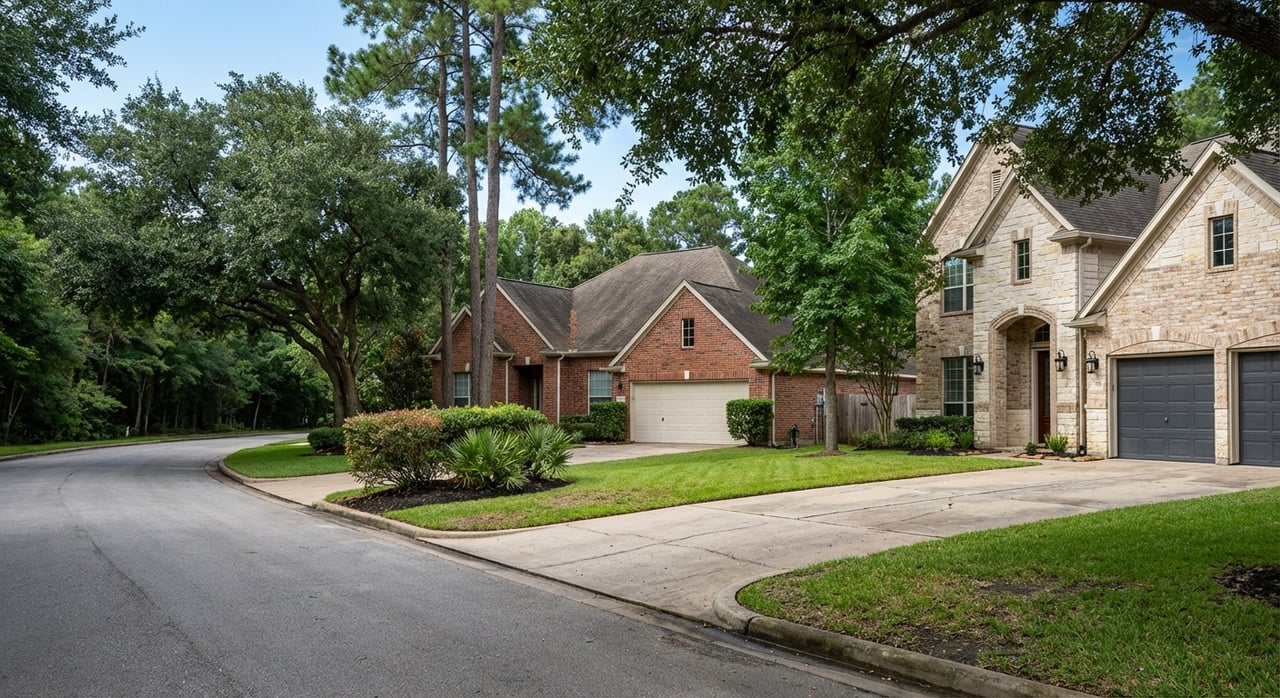
Is the same 2,800-square-foot home worth the same in every part of The Woodlands? Not quite. In our market, the village you choose and the era your home was built can shift price, maintenance needs, and upgrade potential in meaningful ways. If you understand those patterns, you can buy with confidence and sell for more.
In this guide, you’ll learn how each village’s age and architectural style influence value, what to expect for upkeep by era, and how to match your priorities to the right neighborhoods. You’ll also get a simple checklist to compare two homes side by side. Let’s dive in.
Woodlands villages at a glance
The Woodlands grew by villages, each launched in a different decade. That timing shaped floor plans, lot sizes, and construction standards you still see today. For a quick timeline and village list, start with the community overview on The Woodlands Guide. You’ll see how the first areas opened in the 1970s and how newer sections came later in the 1990s and 2000s. See the village timeline and map.
1970s origins: Grogan’s Mill and Panther Creek
Grogan’s Mill opened in 1974 and is known for early mid-1970s homes, plus estate pockets in Grogan’s Point. You’ll find both modest original properties and larger lots that attract custom builds. For village context and history, review Grogan’s Mill’s profile. The village center is also slated for a major refresh. The developer shared plans for a transformation of the shopping hub, which could support long-term appeal nearby. Read the redevelopment update.
Panther Creek, opened in 1977, lines the west shore of Lake Woodlands with a broad mix of 1970s–1980s homes. Its lake access, proximity to Town Center, and varied styles are key draws. For local reporting and village flavor, explore the Houston Chronicle’s guide to Panther Creek. Get a Panther Creek overview.
Mid-era: Cochran’s Crossing and Indian Springs
Homes from the 1980s and early 1990s bring more two-story plans and evolving kitchen-family layouts. Indian Springs stands out for rolling terrain, custom and semi-custom builds, and a smaller village footprint. For village details and amenities, visit the Indian Springs association page.
Newer era: Alden Bridge, Sterling Ridge, Creekside Park
Starting in the mid-1990s and into the 2000s, builders shifted to larger two-story plans, open kitchens, and newer systems. Many neighborhoods added golf and gated options, and Creekside Park brought the newest large-scale development beginning around 2007. For the overall timeline and village grouping, refer back to the villages summary.
What era and style signal about price
Across The Woodlands, the overall median sold price often trends in the mid-500s, though it changes month to month. Village medians vary. Recent snapshots have shown Grogan’s Mill trending around the low-to-mid 600s and Panther Creek around the low-to-mid 400s. Treat these as examples only and check current data before you decide. See the latest figures in this market report.
Lot and lifestyle features can move price bands, regardless of square footage. A few patterns to know:
- Lakefront and water-adjacent homes in Panther Creek attract premium pricing due to setting and access. The Chronicle’s village guide highlights strong interest around Lake Woodlands. See neighborhood context.
- Estate-size lots — especially in Grogan’s Point — support higher pricing and custom-home potential. Learn more in the Grogan’s Mill village profile.
- Golf-course and gated enclaves in newer villages often sit in different price tiers. You’ll see this pattern in Sterling Ridge and nearby luxury sections highlighted in the villages overview.
The bottom line: era and lot type create distinct price lanes. When you compare homes, consider not just square footage and finish level, but also village age, micro-location, and lot position.
Maintenance expectations by build era
Homes age differently by system. Knowing typical replacement windows helps you budget and negotiate.
Roofs
In our climate, asphalt-shingle roofs often show 15–30 years of useful life depending on material and installation. If a home’s roof is approaching that range, plan for repair or replacement and consider wind-resilient upgrades when you do. Review lifespan and cost ranges in this roofing guide.
HVAC
Central cooling systems commonly last 12–20 years with regular service. Heavy summer use here means many owners plan for replacement near the 15-year mark. High-efficiency equipment can cut operating costs and improve comfort. Get a service-life overview in this HVAC explainer.
Plumbing materials
If you are shopping older homes, always confirm supply piping type. Polybutylene was used in many homes from the late 1970s through the mid-1990s and is widely treated as a material risk. Inspectors often recommend full replacement when they find it. Learn what to ask in this ASHI article.
Floor plans and finishes
- 1970s–1980s homes often have more compartmentalized layouts and smaller kitchens. Opening walls, right-sizing the island, and refreshing lighting can deliver a big livability boost.
- 1990s homes typically bring larger primary suites and more storage. You may update surfaces and systems rather than rework the footprint.
- 2000s and newer homes usually need fewer near-term system replacements. Most updates here are style-forward: paint schemes, fixtures, and outdoor living.
Upgrade strategies by village and lot
Your lot and village set the right scope for improvements.
- Estate or acreage pockets: If you own in Grogan’s Point or a similar enclave, your land may support a high-end rebuild or a major addition. Before you start, review design standards and approvals.
- Standard lots near Town Center: In parts of Panther Creek and Grogan’s Mill, value gains often come from targeted interior work. Opening the kitchen, improving the primary bath, and updating windows can make an older plan feel current without overbuilding for the block. For context on Panther Creek’s mix of styles and ongoing turnover, see the Chronicle’s village profile.
- Exterior changes anywhere in The Woodlands: Many projects require Residential Design Review Committee input. Always confirm whether tree removal, driveways, additions, pools, or major exterior changes need approvals. Start with the Township’s village pages for contacts and guidance. Check RDRC resources.
Match your priorities to the right village
Use this quick guide to focus your search.
Close to Town Center and Lake Woodlands
- Shortlist: Panther Creek and Grogan’s Mill, with some pockets of Cochran’s Crossing.
- Why it fits: Quick access to Market Street, the Pavilion, and lake parks. See village context for Panther Creek and Grogan’s Mill.
Estate lots and privacy
- Shortlist: Grogan’s Point in Grogan’s Mill and select gated sections in newer villages.
- Why it fits: Larger lots, custom-home potential, and golf-adjacent living in some enclaves. For area groupings, review the villages overview.
Newer builds and lower near-term upkeep
- Shortlist: Creekside Park, Sterling Ridge, and parts of Alden Bridge.
- Why it fits: Later construction standards, open plans, and newer systems.
Wooded, custom feel without mega-estate prices
- Shortlist: Indian Springs.
- Why it fits: Rolling terrain, mature canopy, and a higher mix of custom and semi-custom homes. See the Indian Springs association.
How to compare two homes in different villages
Use these steps to make an apples-to-apples call.
- Check the era and median: Note the median year built and village median sale price. Confirm with current MLS data and the latest market snapshot.
- Score the lot: Is it on a cul-de-sac, near a greenbelt, or on water or a course? Lot position can outweigh interior finish.
- Age the systems: Ask for roof age, HVAC age and type, water heater age, and any plumbing material flags. Refer to typical roof and HVAC lifespans in the roofing guide and HVAC explainer, and confirm supply piping with your inspector using ASHI’s guidance.
- Map the floor plan: Does the home live how you want today, or will you need to open walls and reconfigure? Price the work realistically.
- Confirm approvals: If you plan exterior changes, check RDRC requirements early. Start with Township resources.
Ready to align your goals with the right village and lot type? Our team helps you verify market data, price strategically, and plan smart upgrades that pay off.
Looking to sell or buy with confidence in The Woodlands? Reach out to Christine Hale to request a Free Home Valuation & Make-Ready Consultation. We’ll bring village-level expertise, complimentary staging, and a proven marketing plan to your move.
FAQs
How does build era affect The Woodlands home value?
- Era shapes typical floor plans, system ages, and lot patterns. Older villages may need more updates, while newer areas often have open plans and newer systems, which can change price bands.
Which Woodlands villages are closest to Town Center and Lake Woodlands?
- Panther Creek and Grogan’s Mill are the closest overall, with select pockets of Cochran’s Crossing also nearby.
What big-ticket items should I expect to replace in older Woodlands homes?
- Roofs and HVAC are common. Roofs often last 15–30 years and HVAC systems 12–20 years, depending on maintenance and use. Always verify ages and condition during inspections.
What is polybutylene plumbing, and why does it matter in The Woodlands?
- Polybutylene was used widely from the late 1970s through the mid-1990s and is linked to leak risk. Inspectors typically recommend replacing it when found.
Do I need approval to change my home’s exterior in The Woodlands?
- Many exterior projects require Residential Design Review Committee approval. Check Township resources early to understand timelines and standards.